

Description
Understanding Smart Home Technology
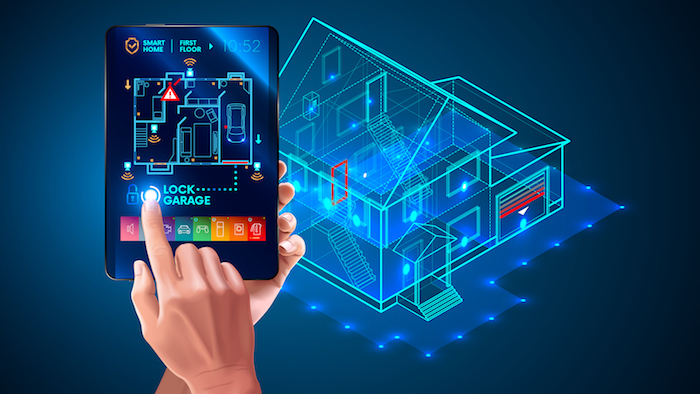
Smart home technology represents a revolutionary approach to modern living, characterized by devices and systems that enhance convenience, security, and energy efficiency within residential environments. At its core, smart home technology integrates various components, including smart speakers, thermostats, lighting, security systems, and appliances, to create a unified ecosystem. Each device is designed to communicate with others through the Internet of Things (IoT), facilitating automation and remote control to improve user experience.
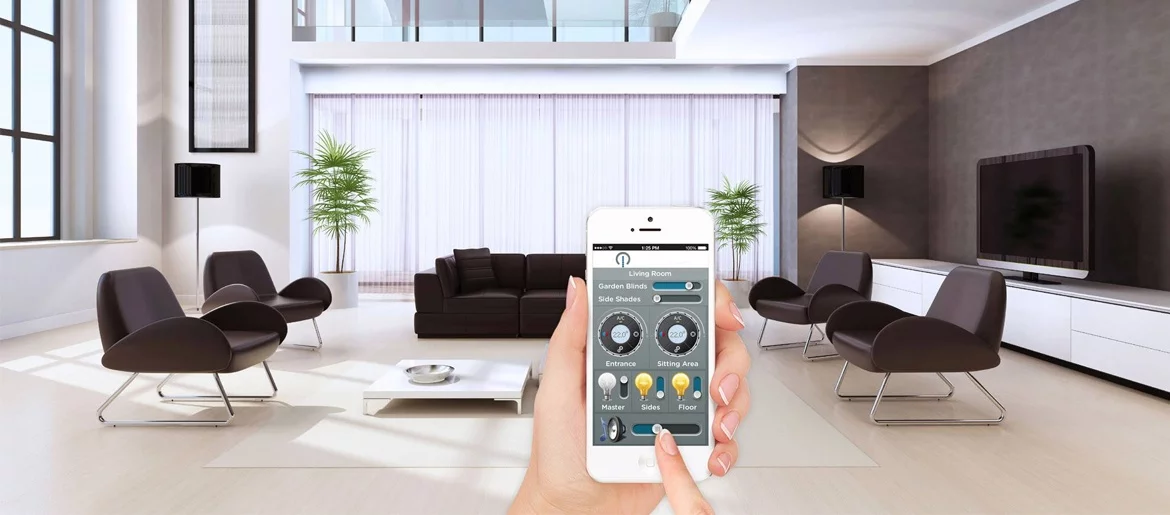
Smart speakers, such as Amazon Echo and Google Home, serve as central hubs for controlling connected devices and accessing information through voice commands. Thermostats, like the Nest Learning Thermostat, exemplify how these devices can learn user preferences over time, optimizing energy use and reducing costs. Lighting systems, including Philips Hue, allow users to adjust light settings, colors, and schedules, enhancing the ambiance of their home with utmost flexibility. In terms of security, smart cameras and doorbells provide remote surveillance and real-time alerts, ensuring peace of mind for homeowners.
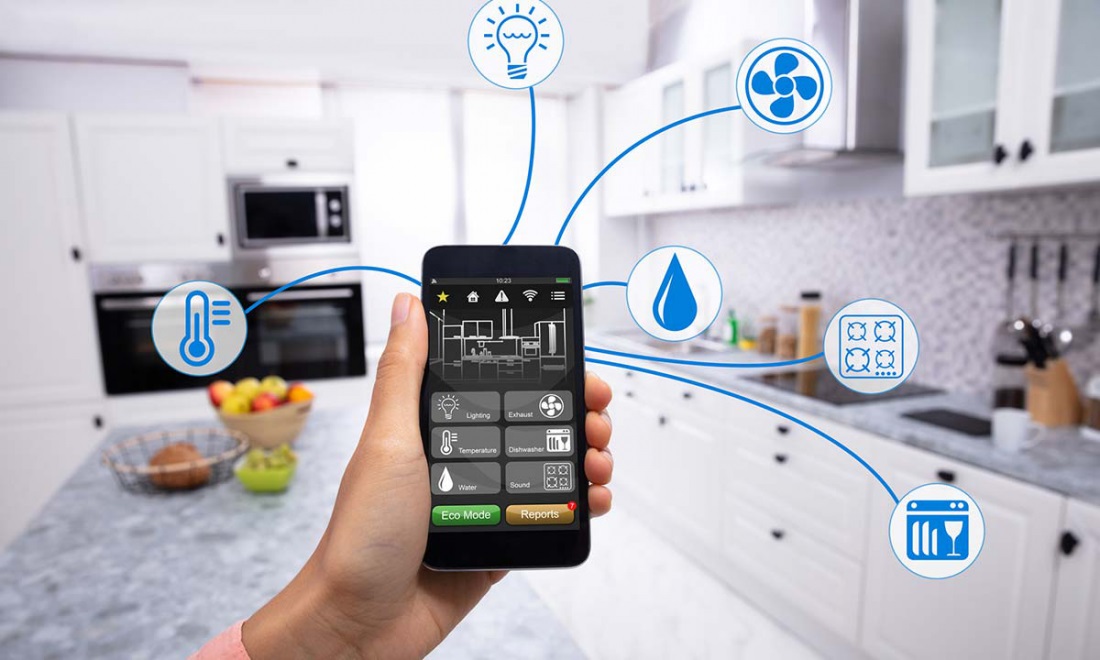
Current trends in smart home technology underscore advancements in user interaction and energy management. Voice control has become increasingly prevalent, allowing seamless integrations between devices and facilitating hands-free operation. Energy efficiency is also a focal point; smart devices are engineered to consume less power, thus contributing to environmental sustainability. Furthermore, remote monitoring enables homeowners to manage their systems from anywhere, which not only enhances convenience but also adds an extra layer of security. Integration with home assistants streamlines tasks that previously required multiple applications, making daily routines more manageable.
This evolving landscape illustrates that smart home technology is not merely a trend but a pivotal movement towards enhanced living environments. Understanding the key components and current developments in smart home systems establishes a fundamental framework for appreciating their importance in today’s society.
Benefits and Considerations of Adopting Smart Home Solutions
As smart home technology continues to evolve, many individuals are increasingly considering its adoption for various benefits. One of the primary advantages of implementing smart home solutions is enhanced convenience. Automation systems, such as smart lighting and thermostats, allow users to manage their home environments remotely, offering unparalleled control and comfort. This integration is particularly beneficial for individuals with mobility challenges, enabling easier interaction with home systems.
Moreover, smart home technology significantly contributes to improved energy efficiency. Devices designed to monitor and optimize energy consumption help homeowners reduce their utility bills while minimizing their carbon footprint. Features like programmable thermostats learn users’ schedules and adjust settings accordingly, ensuring energy is not wasted when rooms are unoccupied. This proactive approach supports a more sustainable lifestyle and fosters responsible energy use.
Increased security is another prominent benefit of smart home solutions. The availability of smart cameras, doorbells, and alarm systems enables homeowners to monitor their properties in real-time. These devices can send alerts regarding unusual activity, providing peace of mind and potentially deterring criminal activities. The integration of smart locks further enhances security by allowing users to control access effortlessly, ensuring safety is more manageable.
Despite these benefits, the adoption of smart home technology requires consideration of certain challenges. Privacy concerns associated with data collection and potential security vulnerabilities must not be overlooked. Additionally, compatibility among various smart devices can lead to integration issues, resulting in frustration for users. Lastly, while long-term savings are possible, the initial investment in smart home devices can be significant, requiring careful financial planning. Balancing these advantages and challenges will assist homeowners in making informed choices about smart home adoption.